
A Primer, written for one child
The book that learns your child.
Every child has a few math gaps school never saw. We find them, fill them, and keep them climbing.
 Akshat · Founder & tutor
Our story began in Nepal in 2016.
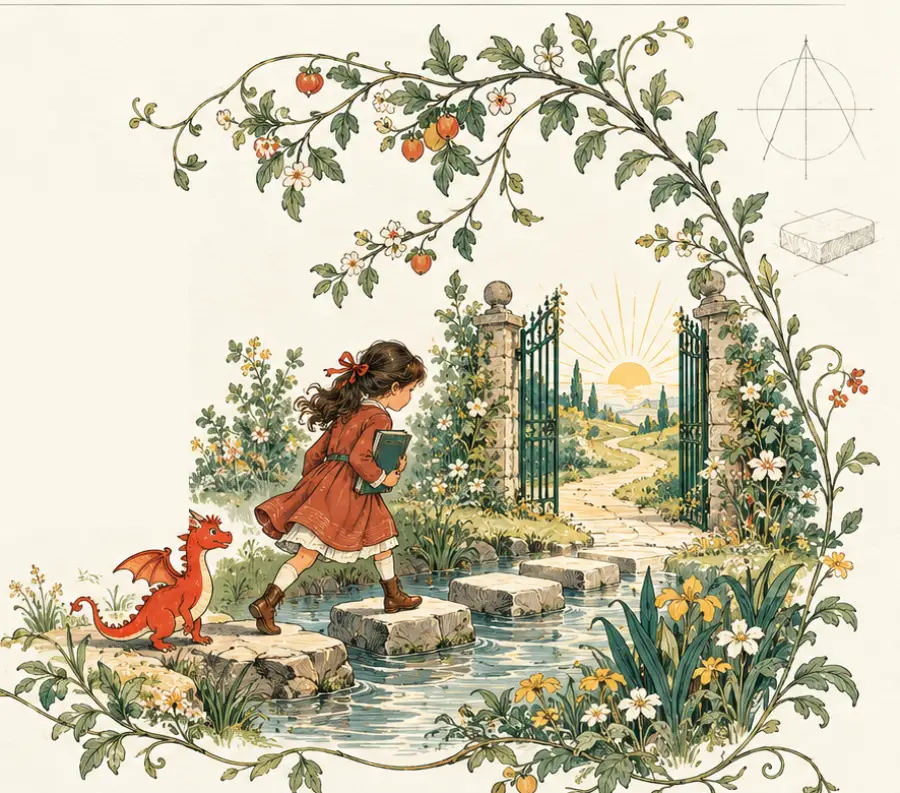
Chapter one
A capable kid, with small math gaps nobody found.
School moves on. The gap stays, and every lesson after it sits a little crooked. We find the gap before it becomes the story your child tells about themselves, then fill it, one mission at a time, with a tutor who knows how they think.
Finding small gaps takes close human attention & a massive dataset of misconceptions. We provide both in all our plans.


Chapter two
Math made for one child. Yours.
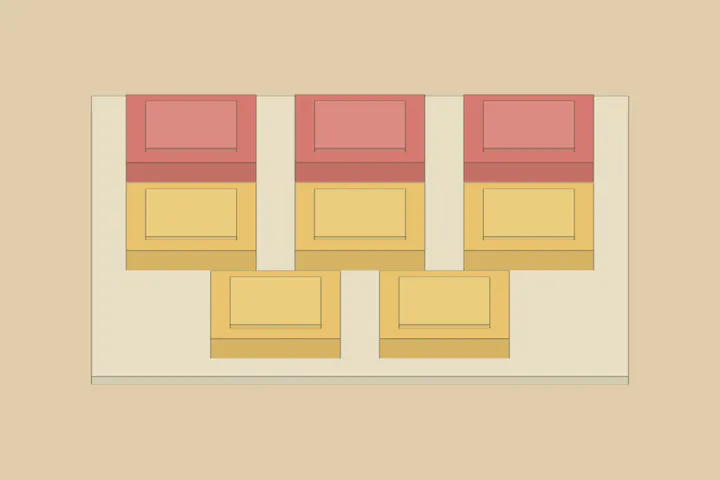
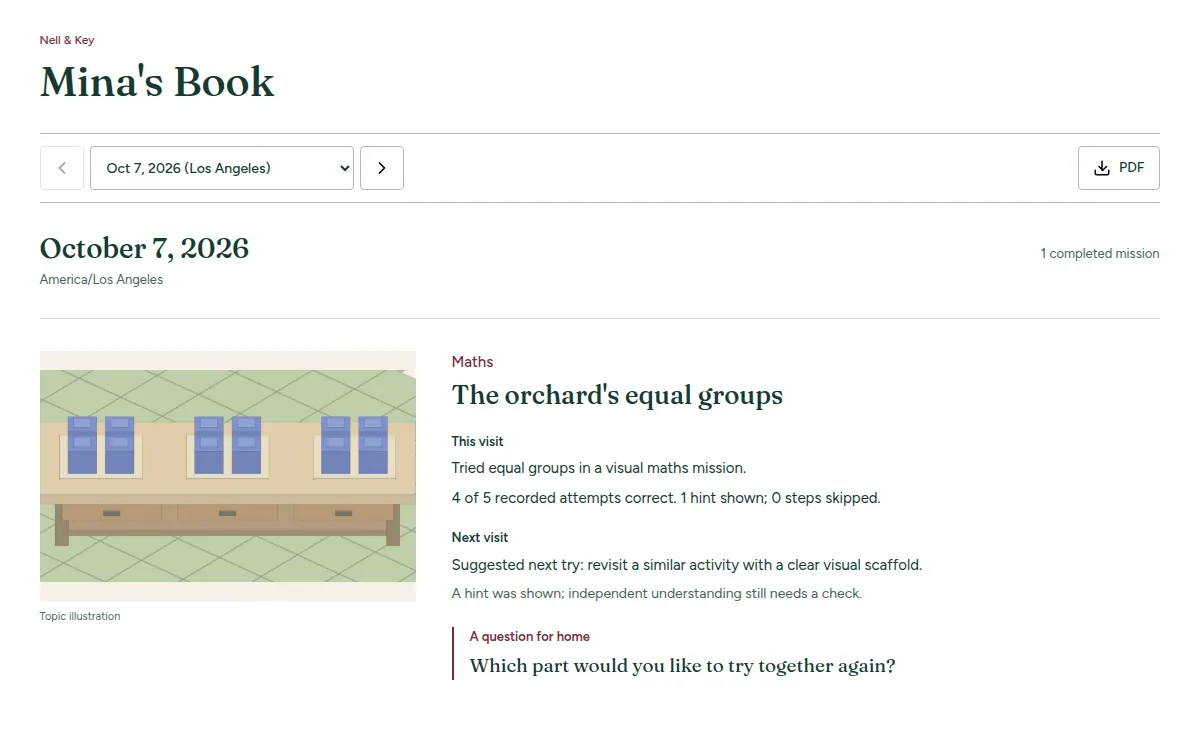
Mina is in Grade 1. She’s still getting comfortable with numbers, and already exploring fractions.
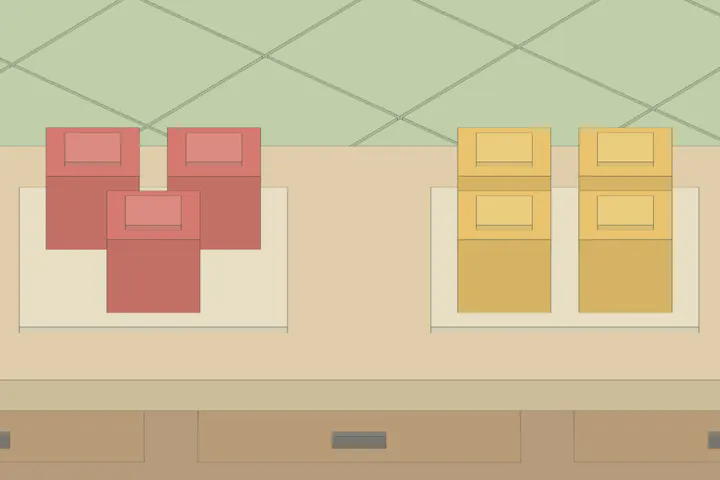
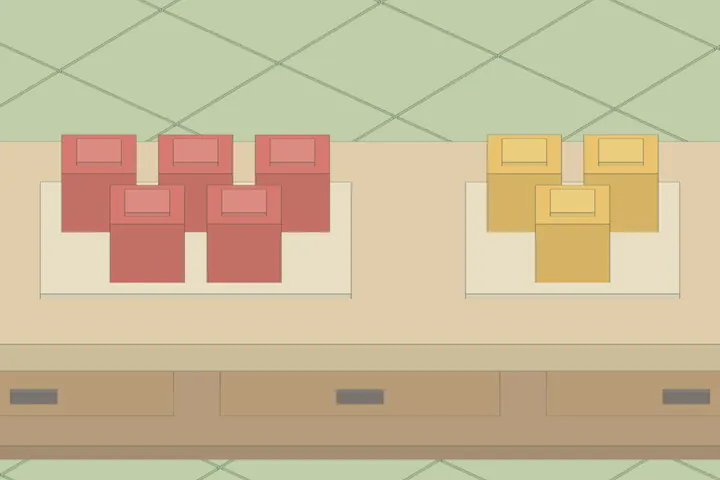
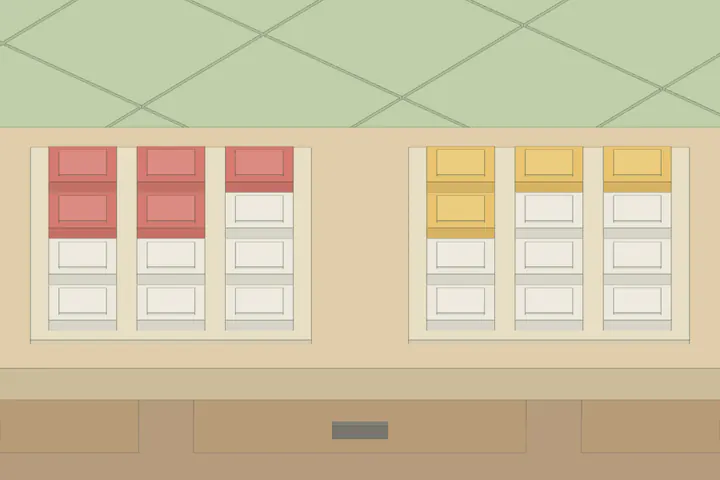


Start with your child.
Tell us what they love and where math sticks.
Meet their tutor.
One to one, with time to ask why.
Open their Book.
See finished pages and the tutor's notes.
Shape what comes next.
What they tried decides the next mission.
Three plans. Each a month.
One class
$50 a month
- One 1:1 class a month, an hour with their tutor.
- A personal Book written for your goals that powers your daily missions.
Every week
$200 a month
- Four 1:1 classes a month, an hour each.
- A personal Book written for your goals that powers your daily missions.
- Access to in-person kids workshops at colleges and cafes, as they open.
The Primer
$500 a month
- Six 1:1 classes a month, an hour each.
- A personal Book written for your goals that powers your daily missions.
- 24/7 learning support with the Primer: message their tutor, send problem sets, ask for new missions and Books.
- Access to in-person kids workshops at colleges and cafes, as they open.
Made by students, for the kids next door.
We are college students. We learned this math recently enough to remember exactly where it hurt.
Most of our tutors study at Macalester and St. Olaf, a few miles from the families we teach. Akshat began teaching in Nepal in 2016. Nobody here is doing this for a line on a resume. We do it because a kid who finally gets it looks up, and you never forget that look.

Tell us a little.
A few details are enough to start. Akshat will get in touch. No payment here.
Thank you.
I will read this today and write back to you to plan the first mission.
There is no account for you to make. I set up your family's account myself and write to you with how to sign in.
If you would rather talk first, email me and we will find a time. Twenty minutes, no pitch, just your child.
Before we begin
A few good questions.
Who are the tutors?
I'm Akshat, and I began teaching in Nepal eight years ago. My brother Abhigya and I both tutor here, alongside two tutors with Math Olympiad experience.
We're growing our mentor team. Come teach with us.
What happens after I ask?
Akshat calls to hear about your child and plan the first mission together. Nothing is charged on this site, and we agree the plan with you before you pay.
How many missions a day?
One rich mission a day. Reviews, replays and practice are always free.
Is every mission the same?
No, each starts from what your child loves and how they worked last time. Class observations help shape subsequent missions.
Who checks the missions?
Every mission is checked by code and by judges before your child sees it. Our team reviews what they played afterwards.
How does this fit with school?
Their tutor works on school math at their level. Missions build on published math-education research: children speak, build, draw or try things out.
What will I see?
Your child's finished pages in the family Book, with tutor notes beside them. Open it together and ask how they did it.
How old is this for?
Ages 6 to 14. Younger children can listen and pick pictures instead of reading everything.
Can this suit a child who finds worksheets hard?
Missions are short, visual and spoken, with room to pause. We don't promise treatment or a particular outcome for ADHD or other learning differences.
Do we need any equipment?
A laptop or tablet with a browser. We'll say if a mission needs anything else.
Who owns what my child makes?
Your child does, and their work is not used to train AI models. Our privacy page says how to ask us to delete it.
Can we stop?
Yes, any time. Plans are monthly, with no annual commitment.